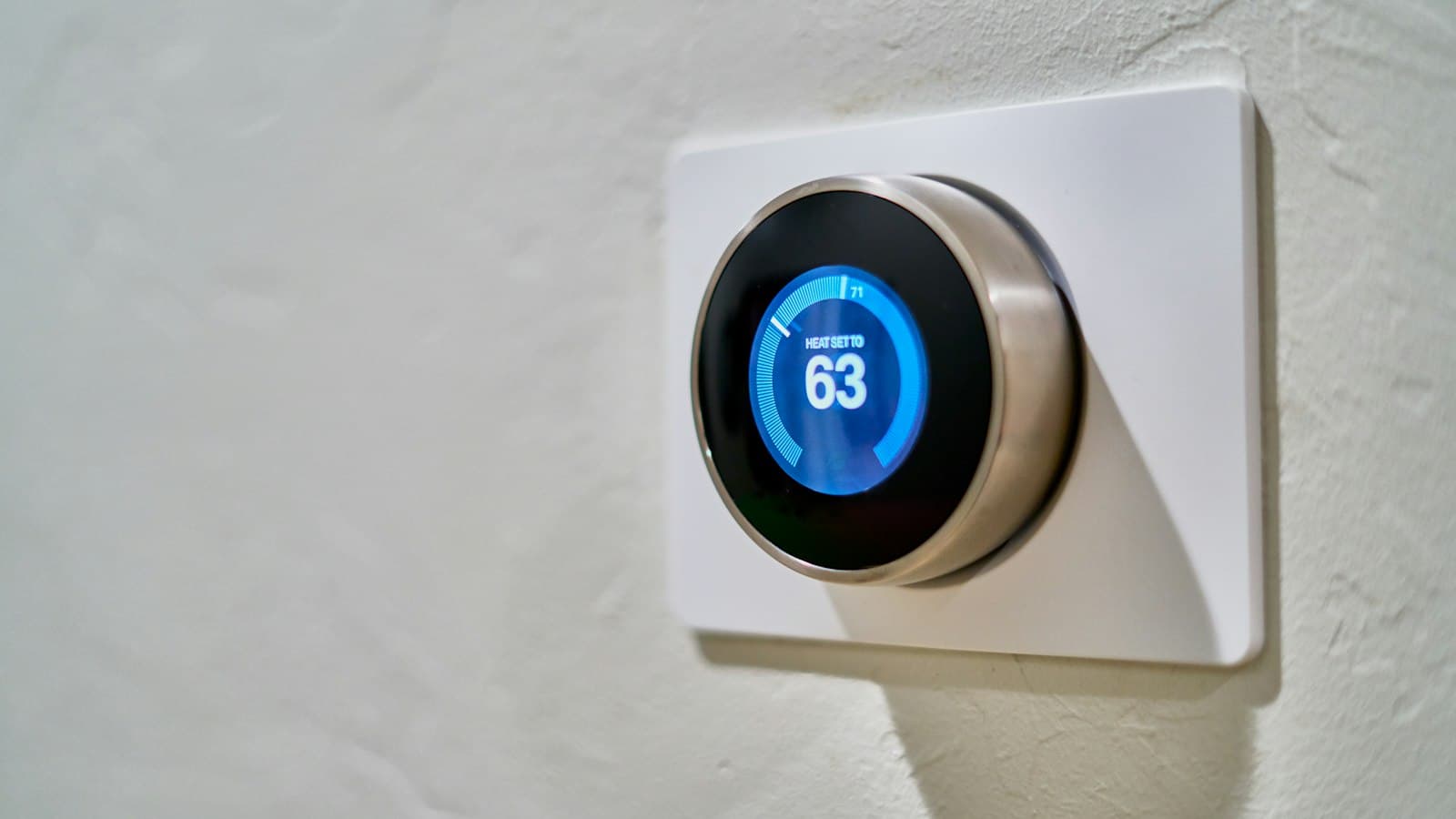
Every December, the first arctic blast rolls down the harbor and our dispatch board fills up before lunch. The pattern never changes: furnaces that limped through last winter quit on the first night they're pushed hard. Almost all of those calls were preventable in October, when parts are stocked, schedules are open, and nobody is standing in a 48-degree living room.
This checklist is written for how Staten Island homes are actually built — semi-attached houses with attic units, North Shore pre-wars with steam heat, and South Shore colonials with 20-year-old builder-grade furnaces.
1. Book the tune-up before Thanksgiving
A proper fall tune-up (ours is $89) covers combustion analysis, heat exchanger inspection, a carbon monoxide reading, burner cleaning, and a flue draft check. On the equipment we see in the borough — much of it installed during the 2000s building wave — this is the visit that catches the failing ignitor or cracked flame sensor before it becomes a 2 AM no-heat call.
Timing matters: October and early November appointments are easy to get. After the first cold week, tune-ups take a back seat to emergencies at every reputable company in the borough.
2. Steam heat? Do the pre-season ritual
If you're in a St. George, Stapleton, or Port Richmond pre-war with radiators, steam has its own checklist:
- Check the boiler's sight glass — water should sit around the middle. Flooded or empty means a service call.
- Flush the low-water cutoff (that little valve near the sight glass) until water runs clear. It's the device that keeps a dry boiler from destroying itself.
- Make sure every radiator slopes slightly back toward the supply pipe on one-pipe systems. A shim under the far legs stops most banging.
- Don't paint over air vents, and replace any that hiss constantly or never hiss at all.
3. Swap the filter and open every register
Forced-air homes: put in a fresh filter now and buy two more so January-you doesn't have to remember. A choked filter makes the furnace overheat and short-cycle on the limit switch — the single most common 'my furnace keeps shutting off' diagnosis we make all winter.
Walk the house and open every supply register, including that back bedroom someone closed in 2019. Modern furnaces are sized to push against a full duct system; closing registers raises pressure and hurts the blower.
4. Test CO detectors — seriously
New York requires carbon monoxide detectors, but required and working are different things. Press the test button, replace anything over 7 years old (the sensor itself expires), and put one on every sleeping floor. The borough's older chimneys and converted flues make this non-negotiable, and it's the one item on this list that isn't about comfort.
5. Shore neighborhoods: rinse the heat pump
If you heat with a heat pump in South Beach, Midland Beach, Tottenville, or anywhere near the water, give the outdoor coil a gentle hose rinse before winter. Salt spray accumulated over the summer accelerates coil corrosion exactly when the unit is about to work hardest. While you're there, clear leaves from around the unit — it needs airflow on all sides, and it will ice over if it can't breathe during defrost cycles.
The bottom line
An hour of prevention in October beats an emergency call in January every time — for your wallet and your nerves. If you'd rather have a pro run the whole checklist, that's exactly what our $89 tune-up is, and Comfort Club members ($19/mo) get it included with priority scheduling when the nor'easter finally shows up.